
South Africa freight rail corridors: where activity is likely to concentrate
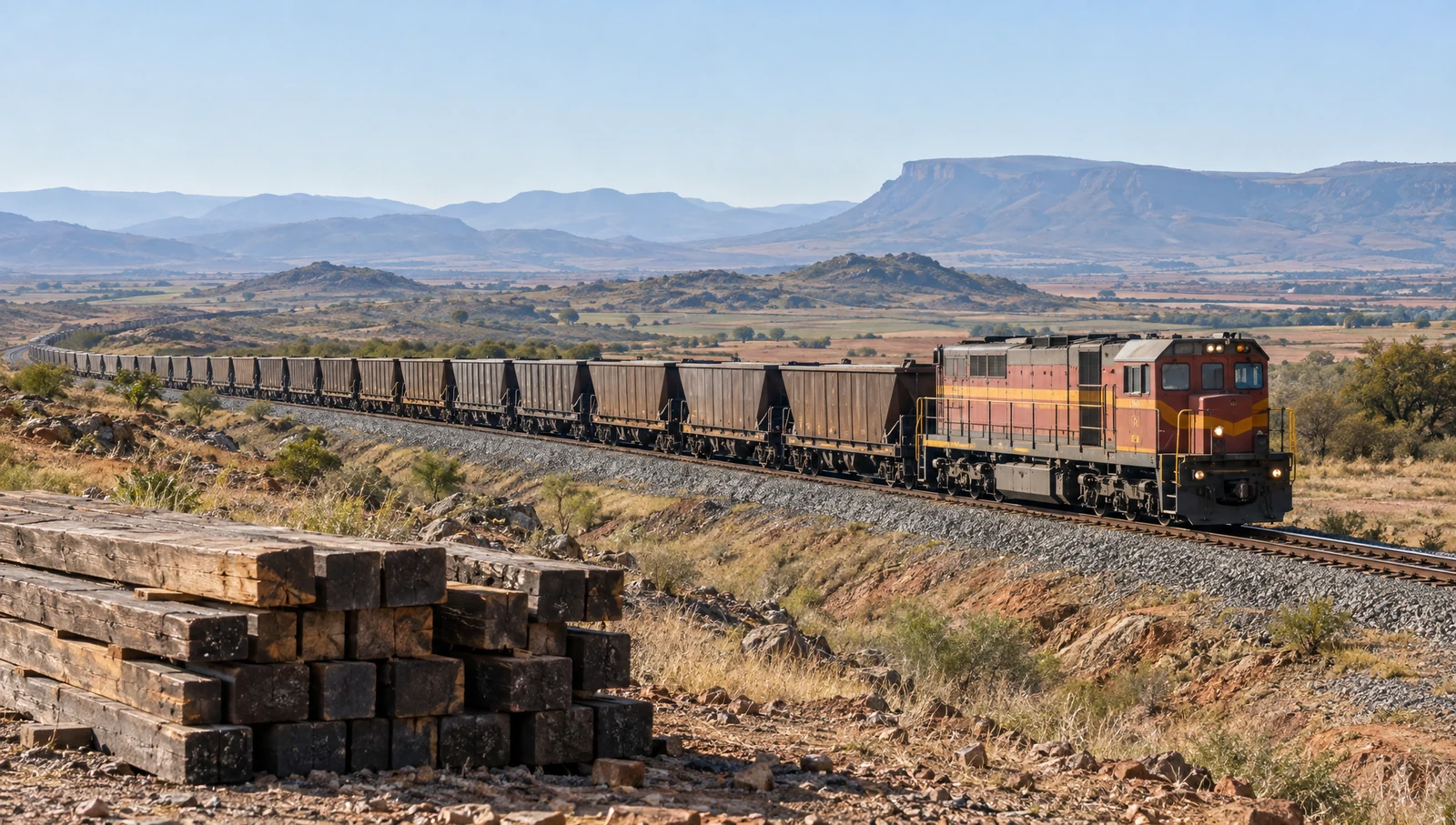
South Africa freight rail corridors are becoming more important than the reform debate itself. As open access and private operations expand, freight activity is likely to cluster around the routes that already carry the biggest commodity flows and the most demanding network patterns. For suppliers and project teams, that matters because corridor use shapes what gets specified, how urgently it is needed, and how carefully documentation is checked.
The main flows to watch are coal, manganese, containers, fuel and general freight. Those commodities do not behave the same way on track. Some drive heavy axle loading and steady bulk movements. Others create schedule pressure, terminal dependence and higher variability. That mix affects sidings, maintenance windows, staging, delivery timing and procurement decisions for freight corridor infrastructure.
This article does not predict awarded routes or guaranteed spend. Instead, it considers where freight rail routes in South Africa tend to concentrate activity. It also considers which corridors private train operators may prioritise and what procurement teams should check before pricing a project or responding to an RFQ.
Corridors to watch
The quickest way to read the network is to follow commodity concentration. The corridors below are not contract claims. They are practical indicators of where pressure on track, yards and interfaces is most likely to rise as access broadens.
- Coal-rich bulk corridor flows: Heavy bulk movements usually place the most strain on track and maintenance planning. Procurement teams should watch load consistency, delivery sequencing and any specification that points to durable, repeatable material performance.
- Manganese export corridor flows: Manganese traffic often depends on reliable line capacity and disciplined wagon or siding handling. Buyers should expect tighter timing around staging, inspection and documentation readiness.
- Container corridor flows: Container traffic often brings schedule sensitivity and interface pressure near terminals. Teams should monitor yard access, dispatch timing and whether procurement needs support a predictable supply rhythm rather than a single bulk drop.
- Fuel corridor flows: Fuel movement typically raises the importance of handling discipline and route coordination. For suppliers, that can mean greater attention to release notes, delivery records and exact location detail.
- General freight corridor flows: Mixed freight usually brings more variable volumes and more complex ordering patterns. Procurement teams should watch whether the project needs steady replenishment, phased delivery or a broader tolerance for change.
Corridor patterns and procurement timing
Corridor activity is about more than where trains run. It also shows how the network is being used. A heavy bulk corridor can push track loading higher and shorten the gap between maintenance decisions. A container-heavy corridor can create sharper peaks around terminal windows and require more disciplined dispatch planning. A mixed freight corridor can increase the need for flexibility because different customers and loads are competing for the same path.
That is why rail project content often focuses on the interface between demand, infrastructure condition and supply readiness. The corridor is not just a line on a map. It is a sequence of operational decisions that affects what material is needed, when it is needed and how much certainty buyers can expect from the production and delivery side.
For procurement teams, the practical question is not only where the traffic is. It is also what the traffic does to the asset. More concentrated use can change the need for replacement, repair, staging, inspection and supporting materials. Where projects involve timber or sleeper supply, buyers should use confirmed project requirements and compare product fit carefully against the route conditions and handling expectations.
That comparison matters because freight corridor infrastructure is often specified under time pressure. A corridor that is moving more bulk traffic can require different stock planning from one that is carrying a more variable mix. The closer the specification is to the operating need, the less back-and-forth there is later.
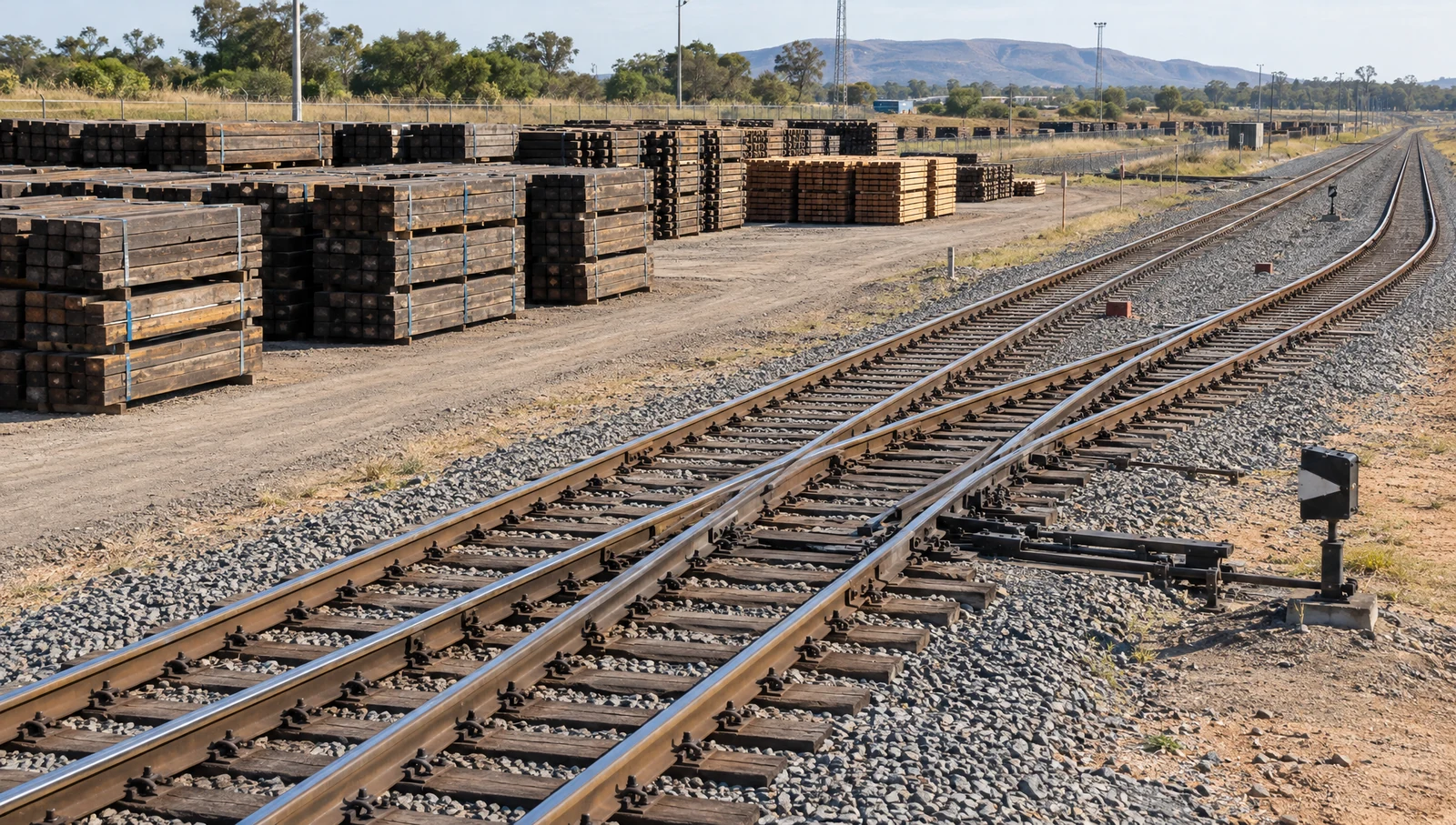
Five procurement signals behind corridor activity
1. Commodity concentration
Coal and manganese suggest heavy, repeatable volumes. Containers and fuel suggest tighter scheduling and stronger interface control. General freight suggests more variation. Each pattern changes the type of material, staging and documentation that makes sense.
2. Track loading and maintenance rhythm
Heavier or more frequent use usually increases maintenance sensitivity. Buyers should ask whether the project needs material that supports durable performance, consistent treatment and reliable batch quality, then align that to the actual corridor use.
3. Siding and yard pressure
Where traffic passes through sidings or terminal interfaces, the supply plan may need more exact delivery timing. That affects not only transport, but also how much packaging, labelling and release paperwork is expected from the supplier.
4. Specification discipline
As private train operators corridors expand, specifications tend to matter more, not less. A supplier should know whether the requirement is for treated or virgin material, what dimensions apply, what documentation is expected and where delivery must land.
5. Readiness for formal RFQs
Corridor-linked projects often move from informal discussion to tighter RFQ language once activity becomes real. That means suppliers who can respond with complete, consistent information usually avoid delays. For context on project sequencing, review rail project content.
How corridor pressure affects material and supplier decisions
Freight rail routes South Africa uses for bulk or mixed traffic rarely produce one simple procurement pattern. Instead, they create pressure on different parts of the supply chain at different times. A bulk corridor may need larger lots and firmer timing. A container corridor may need sharper coordination. A general freight corridor may need more flexibility in ordering and delivery.
That is why sleeper and structural timber discussions should never start with a generic product assumption. They should start with the corridor use case. If a project is tied to heavier use, the buyer should confirm the treatment basis, batch consistency, handling requirements and delivery sequence before pricing is requested. For material context, see railway sleepers.
This is also where documentation can become a real risk point. A supplier may have the right product but still lose time if the RFQ is incomplete. Missing dimensions, unclear treatment status, vague delivery points or inconsistent quantity formatting can all create avoidable back-and-forth. Corridor-driven projects need cleaner inputs because the network activity is already time-sensitive.
Procurement teams should also decide early whether the requirement is driven by immediate installation or by staged supply. That simple distinction can change packaging, stock reservation, transport planning and lead-time assumptions. A corridor with rising volume may push one project toward faster call-off. Another may need a longer planning window because the delivery point is constrained.
The same principle applies when the corridor is still in a transition phase. If the project is being shaped around changing traffic patterns, the buyer should separate what is confirmed from what remains provisional. That reduces assumption risk and helps suppliers price the real scope rather than a moving target.
Sleeper and structural timber RFQ readiness pack
Before sending an RFQ, procurement teams should make sure the request is complete enough to produce accurate pricing. The following items reduce ambiguity and help suppliers quote against the actual project need rather than a guessed interpretation.
| RFQ item | What to confirm |
|---|---|
| Product type | Confirm whether the request is for sleepers, structural timber or another confirmed item. |
| Dimensions | State the required dimensions exactly as specified on the project documents. |
| Treatment basis | Confirm whether treated or virgin material is required, and use the project spec as the reference point. |
| Quantity | Provide the total quantity and, where relevant, any phase split or call-off structure. |
| Delivery location | State the delivery point clearly, including the site or yard reference if available. |
| Required date | Give the expected delivery window or project milestone date. |
| Documentation pack | Set out the documents the supplier must include with the quote or delivery. |
| Handling notes | Flag any loading, offloading or staging constraints that could affect transport planning. |
| Batch consistency | If the project needs uniform supply, say so up front. |
Buyers should also confirm whether the request relates to a corridor-specific project phase or to general replenishment. That distinction changes how suppliers plan stock, transport and documentation. It can also change how quickly pricing becomes comparable across bids.
Treatment selection should always follow the project spec rather than a general assumption about performance. The goal is not to force a material choice. The goal is to keep the requirement clear enough that suppliers can price the same scope consistently.
Finally, if the corridor is still evolving, use the RFQ to separate what is confirmed from what is still under review. That reduces assumptions and improves quotation quality.
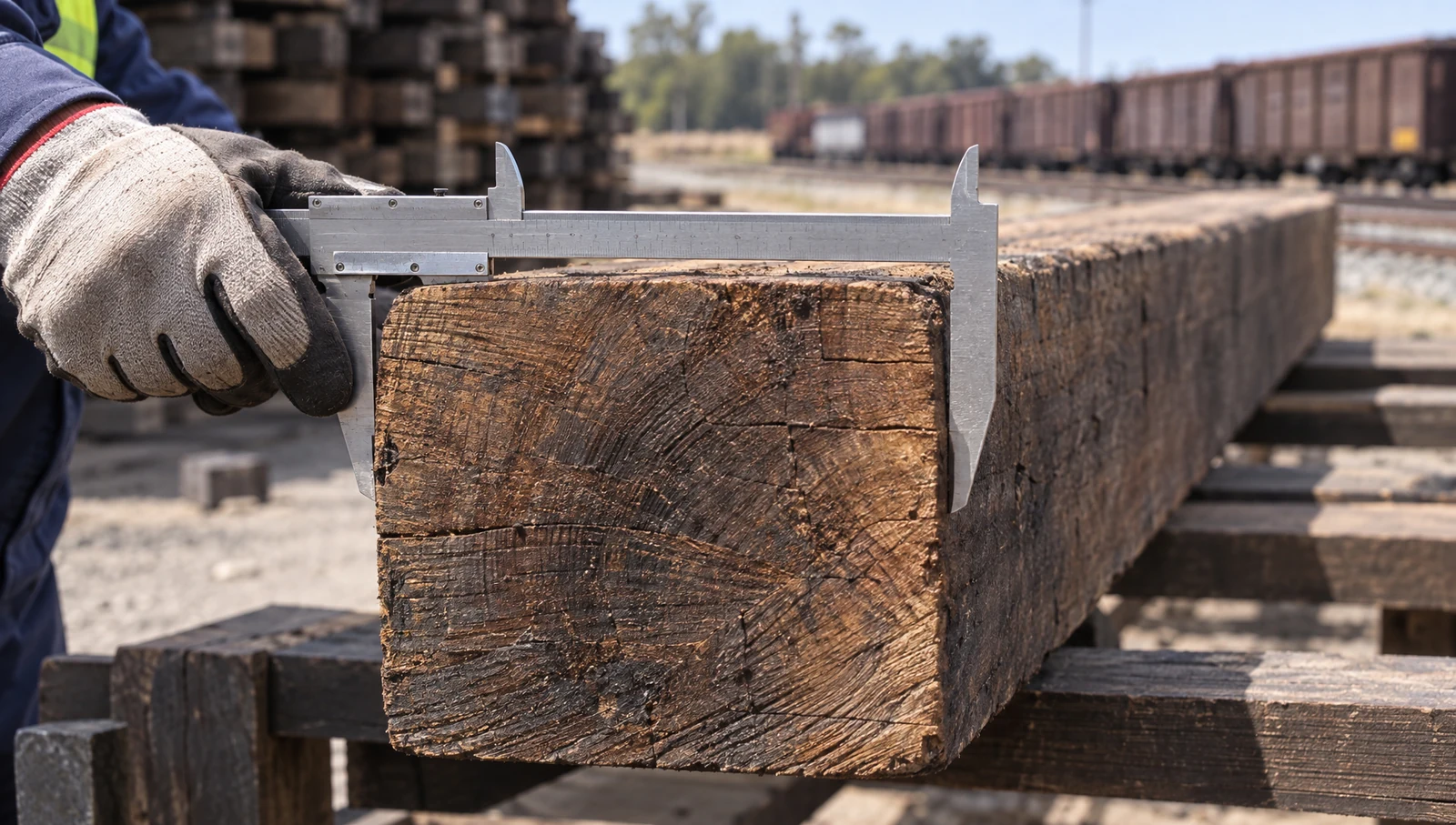
Track corridors and commodities alongside material specifications and project timing
The best way to respond to South Africa freight rail corridors is to treat them as an operating signal, not a headline. Watch the commodity mix, the corridor pressure points and the likely maintenance or staging effects. Then match the RFQ to the project’s actual material and timing needs. If you need help aligning product type, dimensions, treatment basis, quantity, delivery location and required date, use the contact channel and send the project details together.